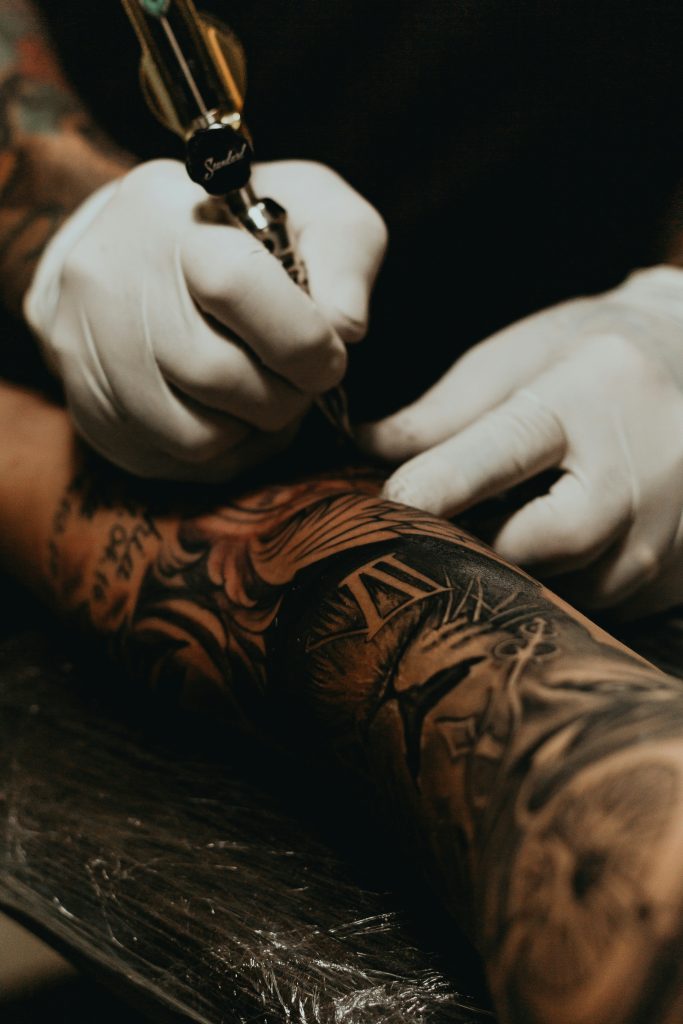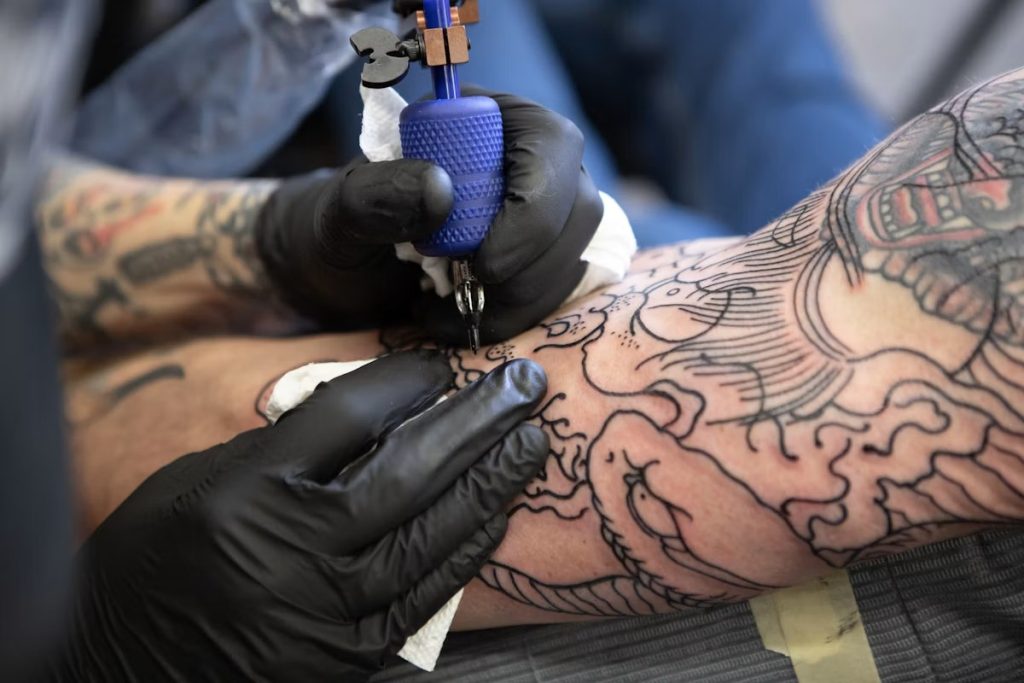
The flash sheet was never meant to be precious. Pinned to the wall of a walk-in shop, it was a menu. Panther or eagle? Rose or dagger? You pointed, the artist traced, and twenty minutes later you had a tattoo. No consultation, no waitlist, no custom drawing. Just ink.
Today, those same sheets — or faithful recreations of them — are objects of serious collector desire. The tradition of American Traditional, built by Norman Collins (Sailor Jerry), Percy Waters, and later Ed Hardy, is being revisited not as nostalgia but as vocabulary. Younger artists are studying the form the way jazz musicians study bebop: as a foundation that never stops generating.
The Flash Renaissance
What changed? Partly it was a market correction. The hyper-custom era of the 2010s produced extraordinary work, but also produced a certain exhaustion — both in artists and clients. A waitlist of 18 months for a custom sleeve is a privilege most people cannot access. Flash democratises the door back in.
Flash is democratic. It was never meant to be precious or exclusive. Sailor Jerry didn’t want sailors waiting eight months — he wanted them tattooed before their ship left port.— Sarah Becker, Flash Forward Collective, Chicago
Contemporary flash artists are not merely copying vintage designs. They are filtering the grammar — the bold black outlines, the limited palette of red, green, yellow, and black, the confident use of negative space — through contemporary aesthetics and bodies. The roses are wilder. The eagles more psychological. The daggers do something the originals never quite did.
How to Collect Flash Well
Flash events — where multiple artists offer pre-drawn designs at fixed prices for a single day — have become the gallery openings of the tattoo world. Research the participating artists in advance. Arrive early. And resist the temptation to over-customise: the flash is the art, and asking an artist to substantially alter it is like buying a painting and asking the artist to change the colours.