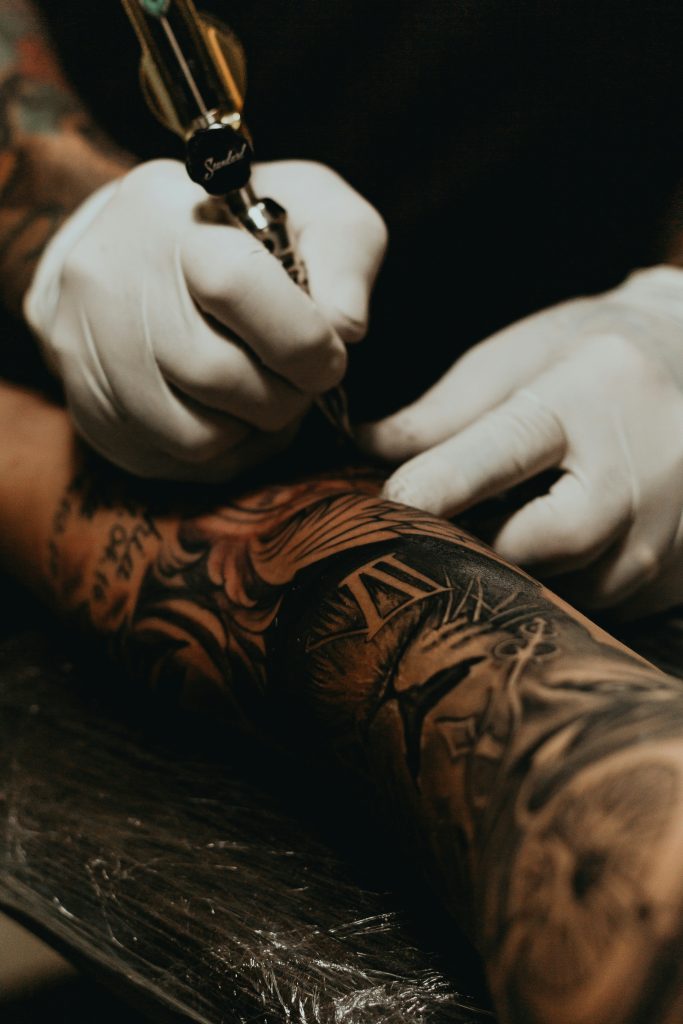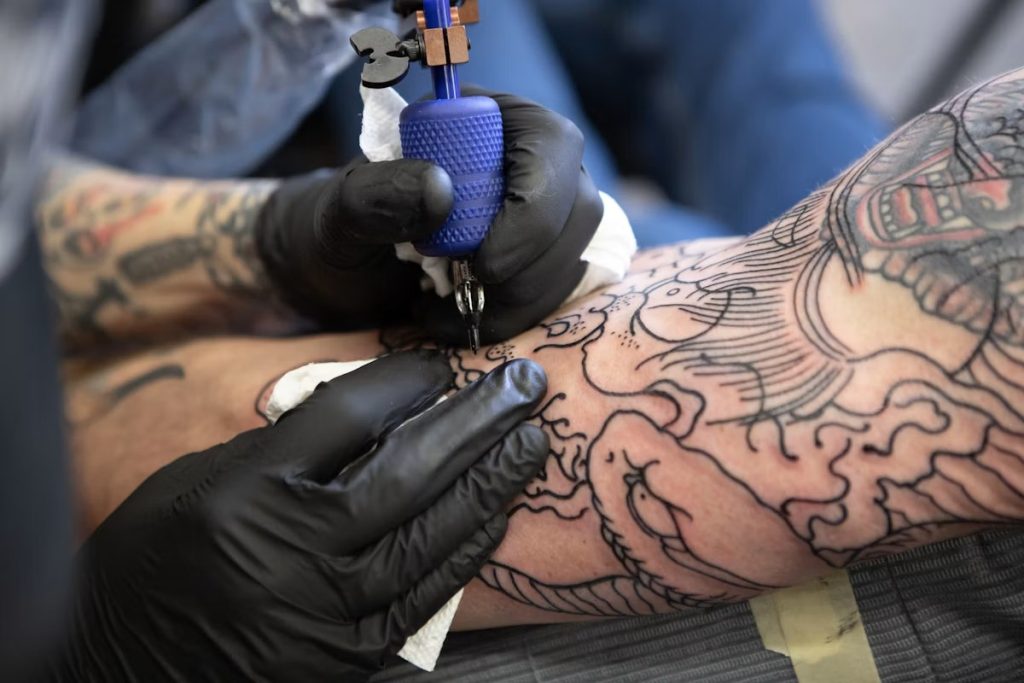
The tattoo convention is the closest thing the ink world has to a music festival — chaotic, loud, expensive, and entirely worth it. Over the course of a weekend, you can receive work from artists who normally have 18-month waitlists, observe techniques you could not otherwise witness, and encounter the full spectrum of what tattooing means across cultures and generations.
The convention circuit began in the United States in the 1970s, with the Houston Tattoo Convention (1976) often cited as the first gathering of its kind. What has changed since then is the scale, the internationalism, and the calibre of artist participation.
Essential Events by Region
In Europe, the London Tattoo Convention (September) and the Amsterdam Tattoo Convention (October) are the anchors. Both attract genuinely global lineups and retain an underground character despite their scale. In the Americas, the Hell City Tattoo Festival in Phoenix and the New York Empire State Tattoo Expo represent the serious end of the circuit.
Convention weekends are where I do my best research. Seeing fifty artists’ fresh work in one room teaches you things that five years of looking at healed photographs online cannot.— Rosa Kimani, independent collector, Nairobi
Getting the Most from Convention Work
Convention tattoos, received in a busy public space rather than a quiet studio, occasionally require more aftercare attention. Bring your own supplies. Eat beforehand. Wear clothing that gives your artist easy access. And build in one clear day of rest after a significant convention piece before returning to normal activity.