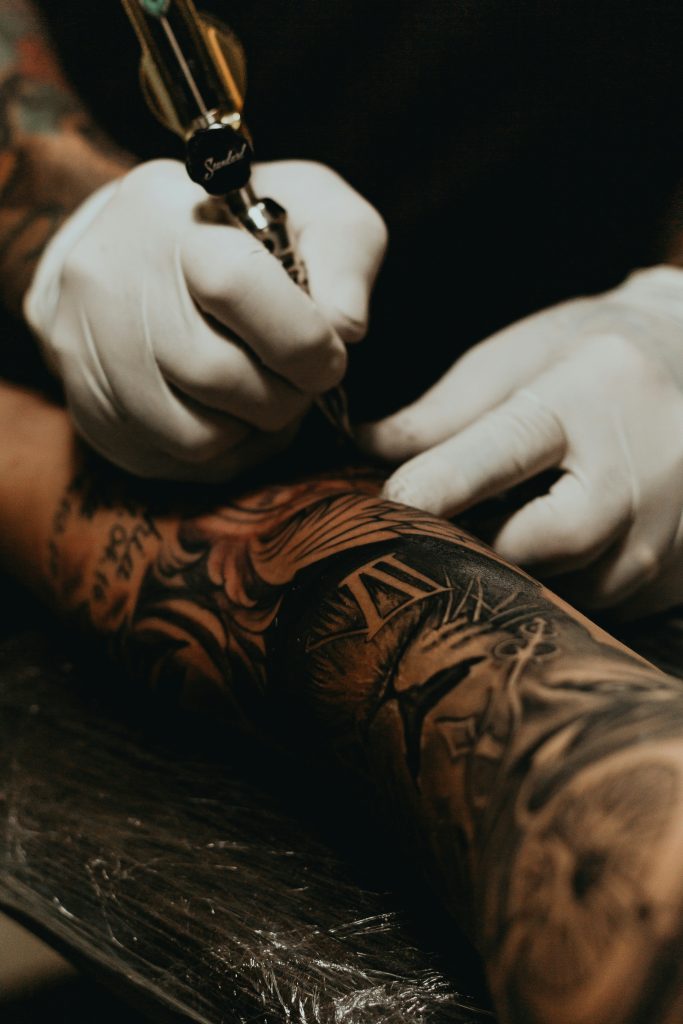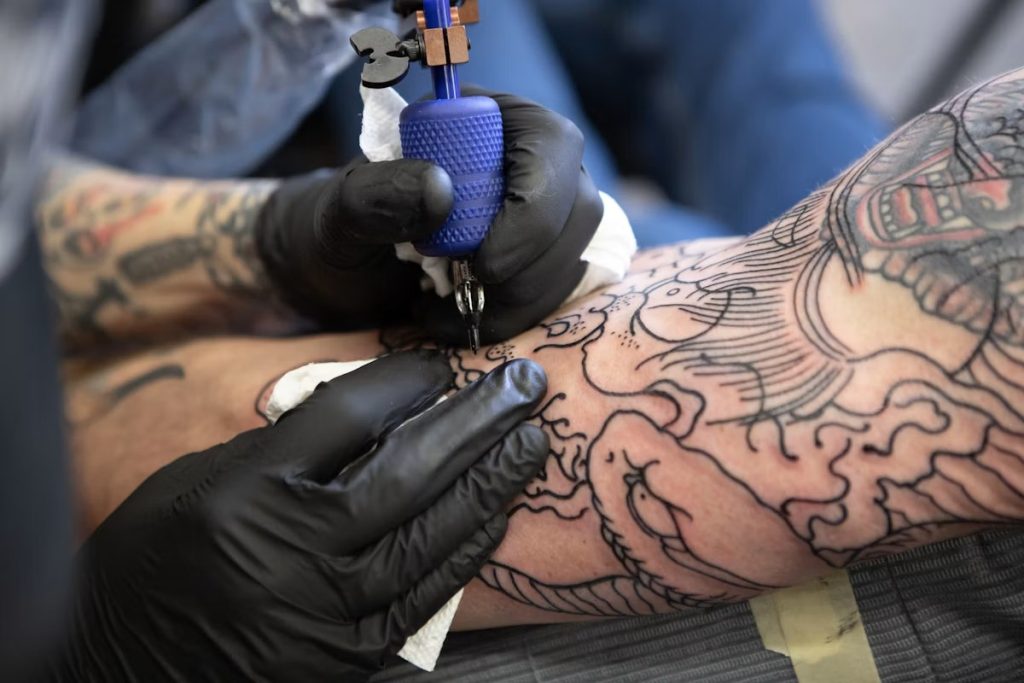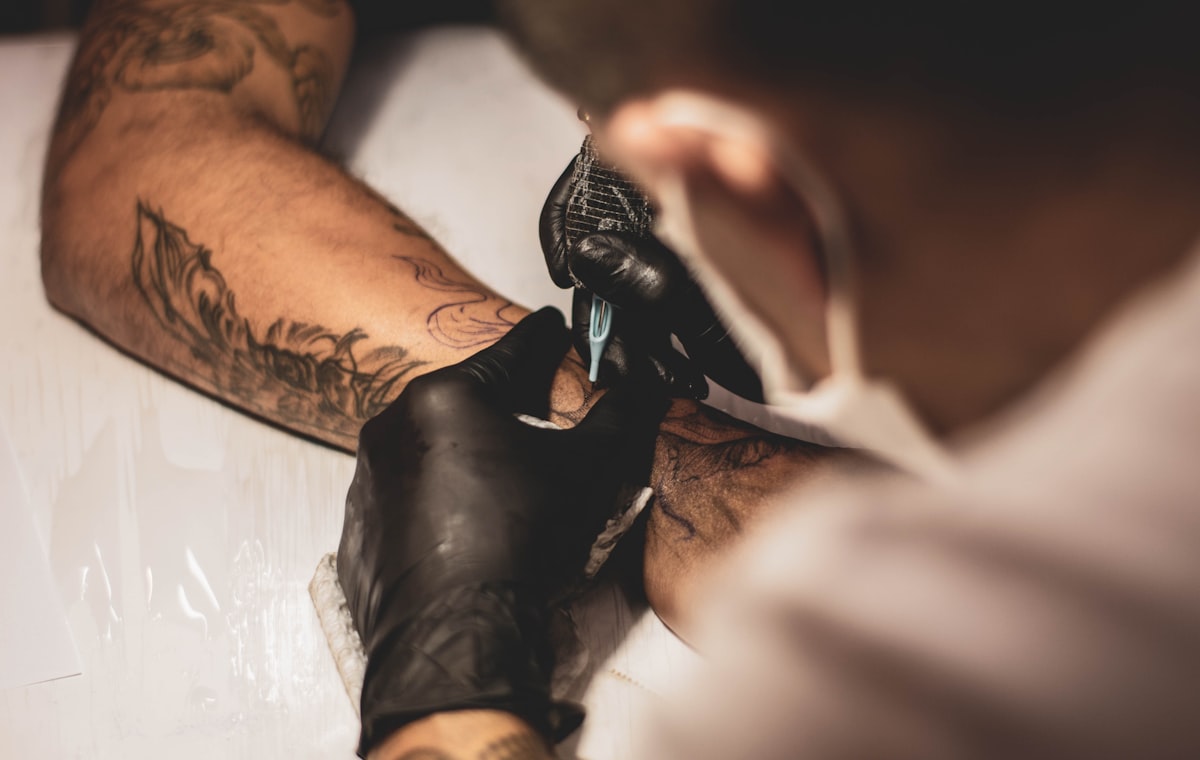
Look at it from a metre away and you would call it a photograph. Walk closer and you begin to see the texture — the grain of the skin beneath, the occasional pixel of colour placed with a single needle, the way shadow is built from fifty passes rather than one stroke. Hyperrealistic tattooing is not an illusion. It is an argument about what skin can remember.
The technique has roots in the photorealist painting movement of the 1960s and 70s, with artists like Chuck Close and Richard Estes establishing the vocabulary of extreme verisimilitude. Tattooists began absorbing these lessons seriously in the 1990s, and the digital age accelerated the discipline dramatically.
Skin as a Dynamic Surface
The fundamental challenge of hyperrealistic tattooing is that the canvas is alive and impermanent. Skin stretches, sags, tans, and scars. Ink migrates over years. A portrait that reads as photographically accurate at age 30 will have drifted by age 50. The best realism artists design with this temporal dimension in mind.
I always tell clients: in thirty years, this won’t be a photograph anymore. It’ll be a painting. And if we do this right, it’ll be a better painting than the photograph ever was.— Marco Galdo, Studio Realismo, Milan
Consultation for a major realism piece should include discussion of placement — areas with less movement and more consistent thickness of skin hold detail best — and of the reference image itself. High-contrast photographs with clear light sources translate better than evenly-lit, detail-heavy references.